
Introduction
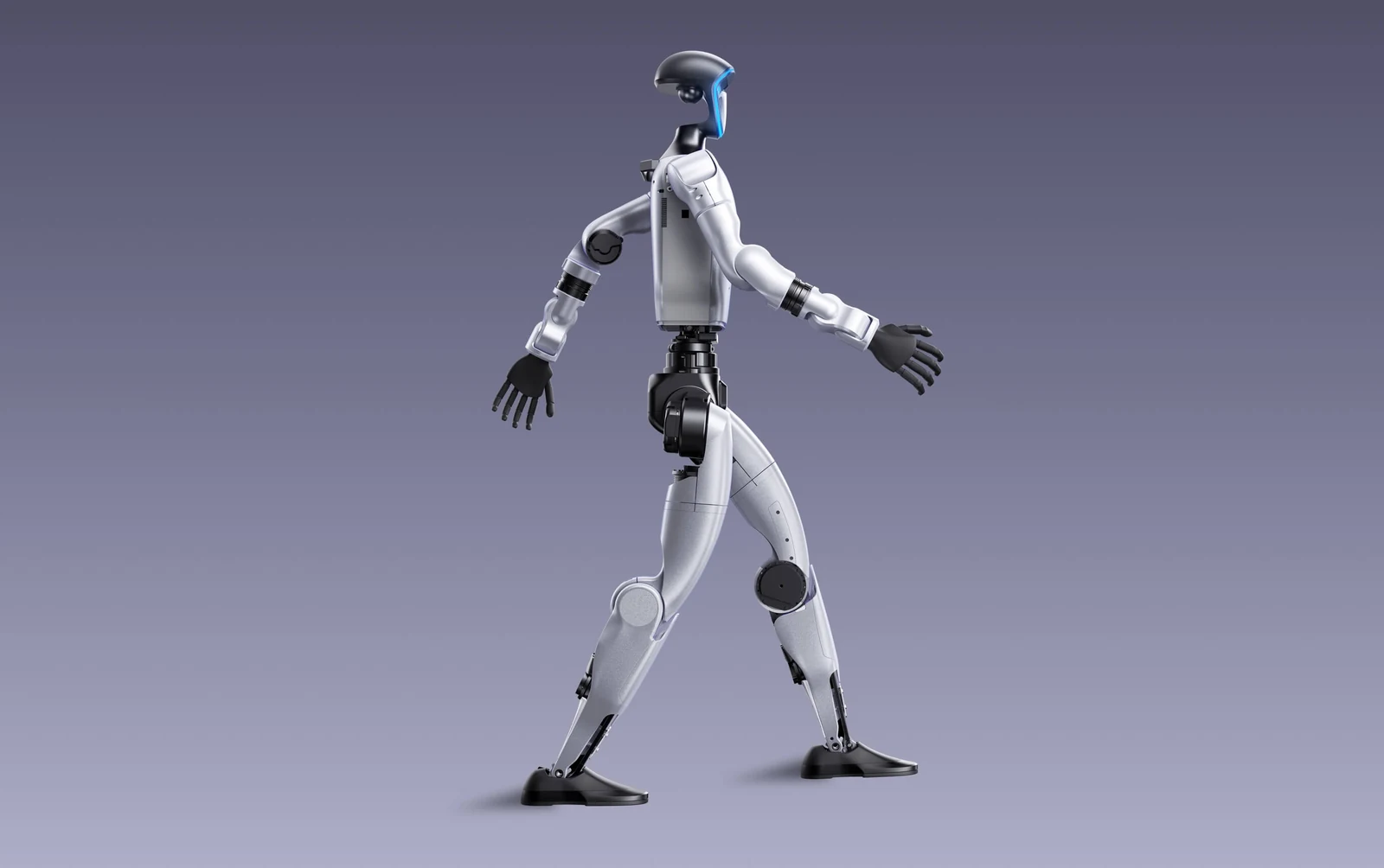
Unitree has published the repository for UnifoLM-WLA-1.0. The company describes it as a 6B-parameter general-purpose humanoid foundation model trained with about 2,500 hours of real-robot data.
The reported task set covers 64 tabletop and whole-body manipulation tasks. The same model is designed to work with two-finger grippers and several five-finger hands.
Information verified from official sources available as of September 14, 2026.
One model spans different end effectors
Changing a hand changes action dimensions and contact behavior. Unitree says WLA-1.0 works across several end effectors rather than one gripper.
Cross-hand tests should keep objects, scenes and success criteria fixed so researchers can separate model behavior from hardware differences.
The open release is split into pieces
The repository lists post-training code, model weights and several datasets in its open-source plan. It also lists UnifoLM-ER model releases dated September 11.
Researchers can check which components are downloadable today and which remain planned before claiming full reproducibility.
Long runs need intervention data
A single successful clip cannot show the failure distribution across 64 tasks.
Useful follow-up reporting would include resets, intervention counts, per-task trials and results across different hands.
Limitations and missing information
- Unitree's task and training figures come from its project repository.
- Results across different end effectors should not be treated as equivalent without matched tests.
Conclusion
The strongest outside test would hold tasks and scenes constant while swapping end effectors and recording full trial counts.
Sources and methodology
Share this article
Share the current TechniaHQRobot article page.
Continue reading
Open the latest robotics reporting, Physical AI analysis and hardware notes.