
All humanoid robots
Space humanoidNot commercially available

NASA Robonaut 2

N
NASA

United States · Reviewed 2026-08-15

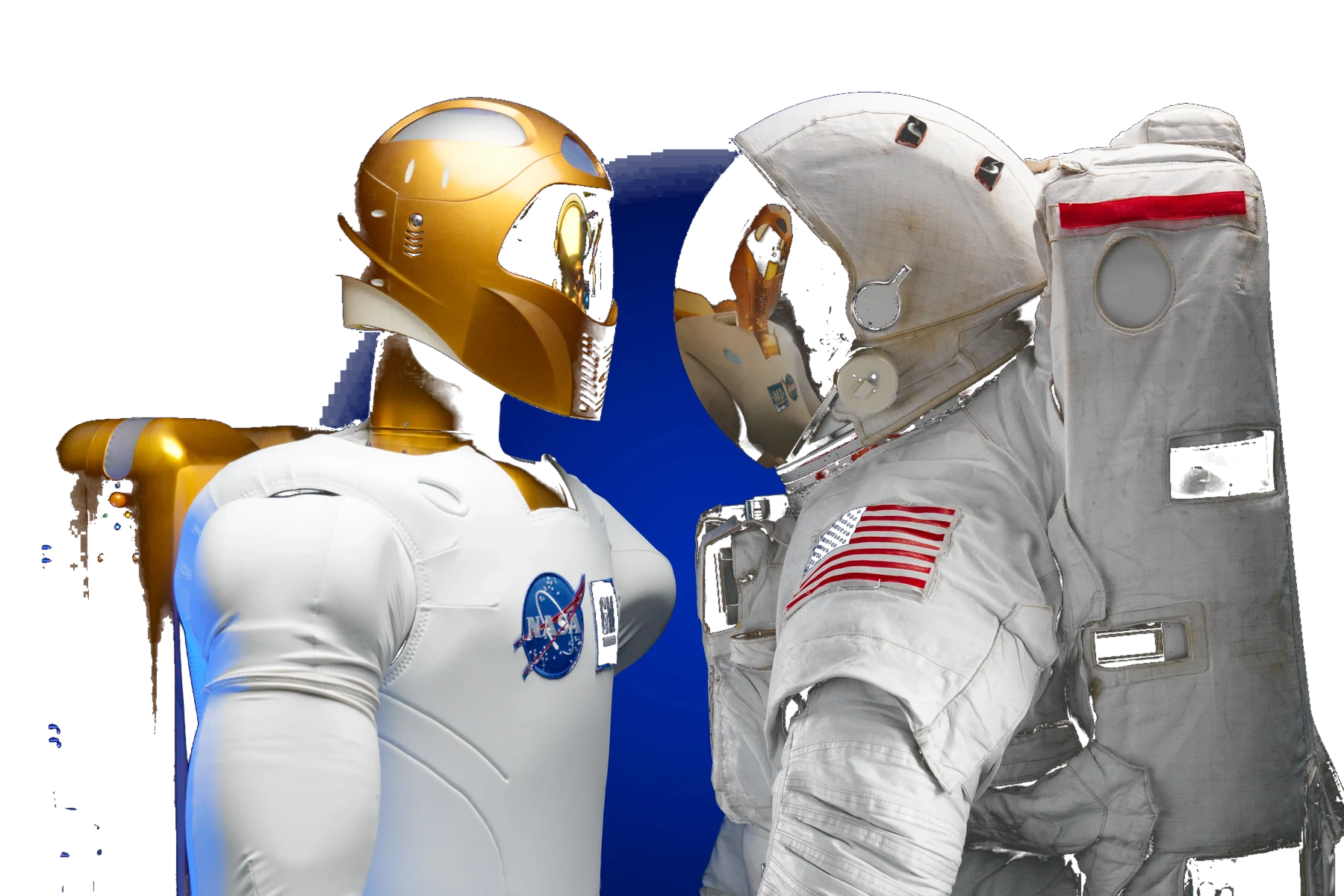
NASA and General Motors developed Robonaut 2 as a dexterous humanoid assistant for work alongside astronauts.

Published offer

Government research platform

Availability: Not commercially available

NASA and General Motors Robonaut 2 space humanoid robot

01 / At a glance

Understanding NASA Robonaut 2

Release
2010

Intended applications

Space operations, dexterous manipulation and astronaut-assistance research

SpaceResearch

02 / Hardware profile

NASA Robonaut 2 specifications

Category
Space humanoid
Commercial status
Historical research platform
Availability
Not commercially available
Released
2010
Country of origin
United States
Target markets
Space, Research
Use cases
Space operations, dexterous manipulation and astronaut-assistance research

03 / Pricing and purchasing

Published offers and availability

04 / Technical analysis

NASA Robonaut 2 engineering analysis

What tasks suited Robonaut 2 aboard the space station?

NASA and General Motors developed Robonaut 2 around dexterous upper-body work and tools designed for human hands. In the International Space Station environment, physical mounting and tool positioning are different from walking on Earth. A dexterous hand can grip a tool yet still need an operator or prearranged sequence to perform a maintenance task. NASA mission records provide the appropriate evidence; later robotic astronauts should not be merged into the same specification.

Configuration and hardware details

01

Robonaut 2 is an ISS experiment, not a retail humanoid

NASA and General Motors developed Robonaut 2 as a dexterous robotic assistant for astronaut work. Its history includes operation and evaluation aboard the International Space Station, where microgravity and strict station procedures shape the meaning of manipulation. A robot used on orbit should not be compared with a present-day warehouse biped using walking speed or floor payload.

A technical history should identify which tasks were performed in orbit, what the astronauts or ground team controlled and which components needed maintenance. The system's hand and arm designs are relevant to dexterity research, but the experiment is not evidence of an autonomous home robot now available to buy. Readers looking for files or research results need the mission and hardware version, not an invented current price.

05 / Comparable models

Compare NASA Robonaut 2 with similar robots

Catalog records with their original source dates
FieldNASA Robonaut 2NASA Valkyrie R5
HeightNot disclosed in the retained sources188 cm
MassNot disclosed in the retained sources136 kg
Recorded degrees of freedomNot disclosed in the retained sources44
Source date in record2026-08-152026-08-15
Product sourceNASA Robonaut 2 documentationNASA Valkyrie R5 documentation

Community ratings

NASA Robonaut 2 Reviews & Ratings

Hands-on community feedback is moderated before publication. Technical sub-ratings are optional.

—

0.0(0 reviews)
5 star
0%
4 star
0%
3 star
0%
2 star
0%
1 star
0%

Published reviews

0 total

No published reviews yet

Be the first to submit hands-on feedback for moderation.

06 / References

NASA Robonaut 2 sources